Harmony: Choose What Supports the Tune
When you stack every other note of a scale (root, third, and fifth), you create seven diatonic triads. Yet in practice, composers rarely treat those seven chords as seven isolated blocks. Following the functional insights developed by Jean-Philippe Rameau (Traité de l'harmonie, 1722) and later expanded by Hugo Riemann, diatonic chords group naturally into three harmonic roles:
- Tonic Function (I and vi): Establishes home stability and provides a point of departure or arrival.
- Predominant Function (IV and ii): Moves away from the tonic center and prepares the listener for the tension of the dominant.
- Dominant Function (V and vii°): Contains the leading tone (scale degree 7̂) and when extended to V7, pairs it with scale degree 4̂ to create a tritone that resolves inward to the tonic third.
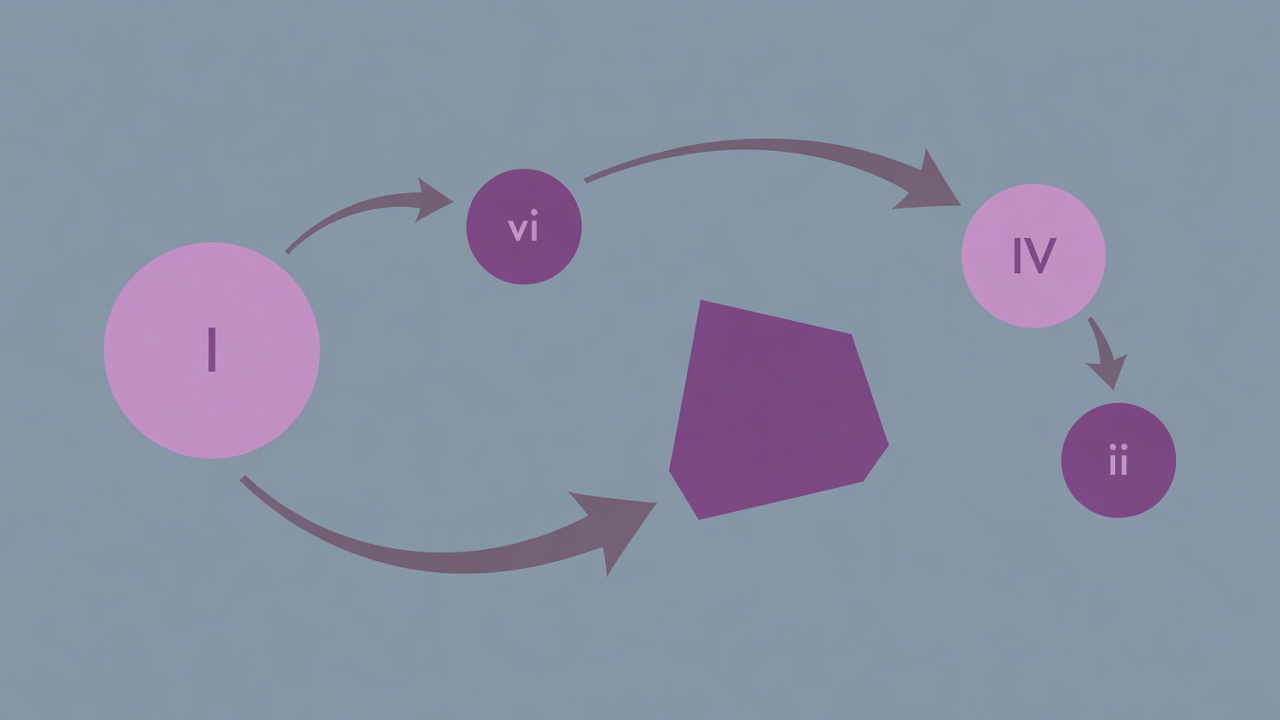
Figure 1.1: The functional loop (Tonic → Predominant → Dominant → Tonic) underpins thousands of chorales, folk songs, and contemporary progressions.
Connecting Chords Without Jumping
If every chord in a progression is played in root position, the bass line leaps constantly by fourths and fifths, and the upper voices risk moving in parallel fifths or octaves (where two voices lose their independence). By placing the third of a triad in the bass—known in figured bass as a 6/3 or first-inversion chord—you allow the bass to move by smooth steps, creating a cantabile countermelody beneath the tune.
| Roman Numeral | Notes (Root – 3rd – 5th) | Function | When to Choose It Under a Melody |
|---|---|---|---|
| I (C Major) | C – E – G | Tonic | Supports 1̂, 3̂, or 5̂ at phrase openings and final resolutions. |
| ii (D Minor) | D – F – A | Predominant | Supports 2̂, 4̂, or 6̂; especially smooth in first inversion (ii6, F in bass) leading to V. |
| IV (F Major) | F – A – C | Predominant | Supports 4̂, 6̂, or 1̂; brightens the mid-phrase or creates a Plagal Cadence (IV–I). |
| V7 (G Dom 7th) | G – B – D – F | Dominant | Supports 5̂, 7̂, 2̂, or 4̂; drives cadences as B→C and F→E resolve. |
| vi (A Minor) | A – C – E | Tonic prolongation / Deceptive goal | Supports 1̂, 3̂, or 6̂; following V with vi creates a Deceptive Cadence that extends the phrase. |
Choose How the Phrase Resolves
Imagine your melody in C major descends at the end of a phrase: F4 → E4 → D4 → C4 (scale degrees 4̂ – 3̂ – 2̂ – 1̂). You have already placed ii6 under F4, I6/4 under E4, and V7 under D4. Now you reach the final melody note C4. Test the two chord choices below to compare their structural effect.